Elevation: 700 m
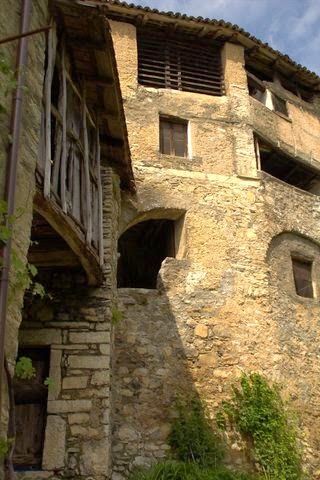
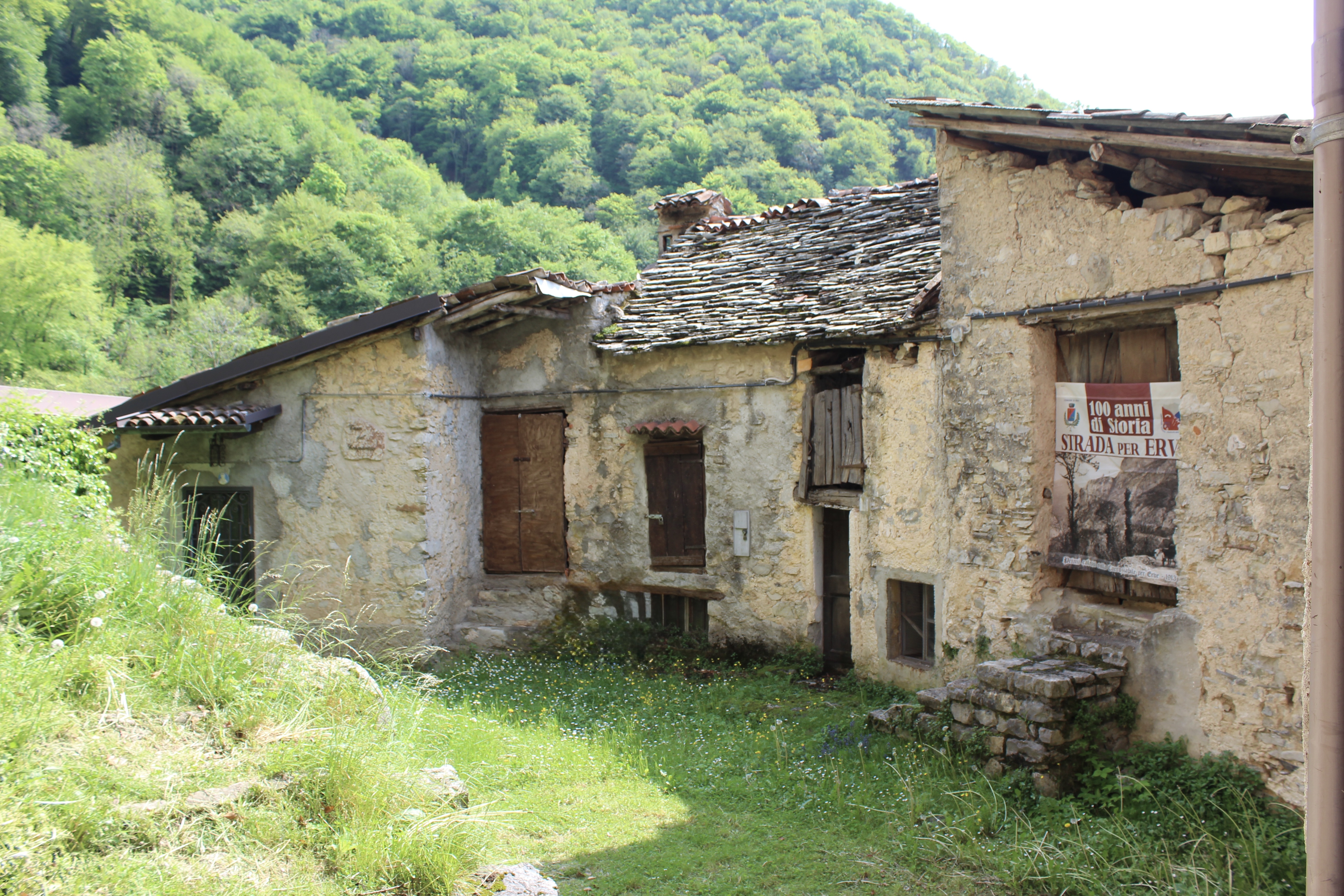
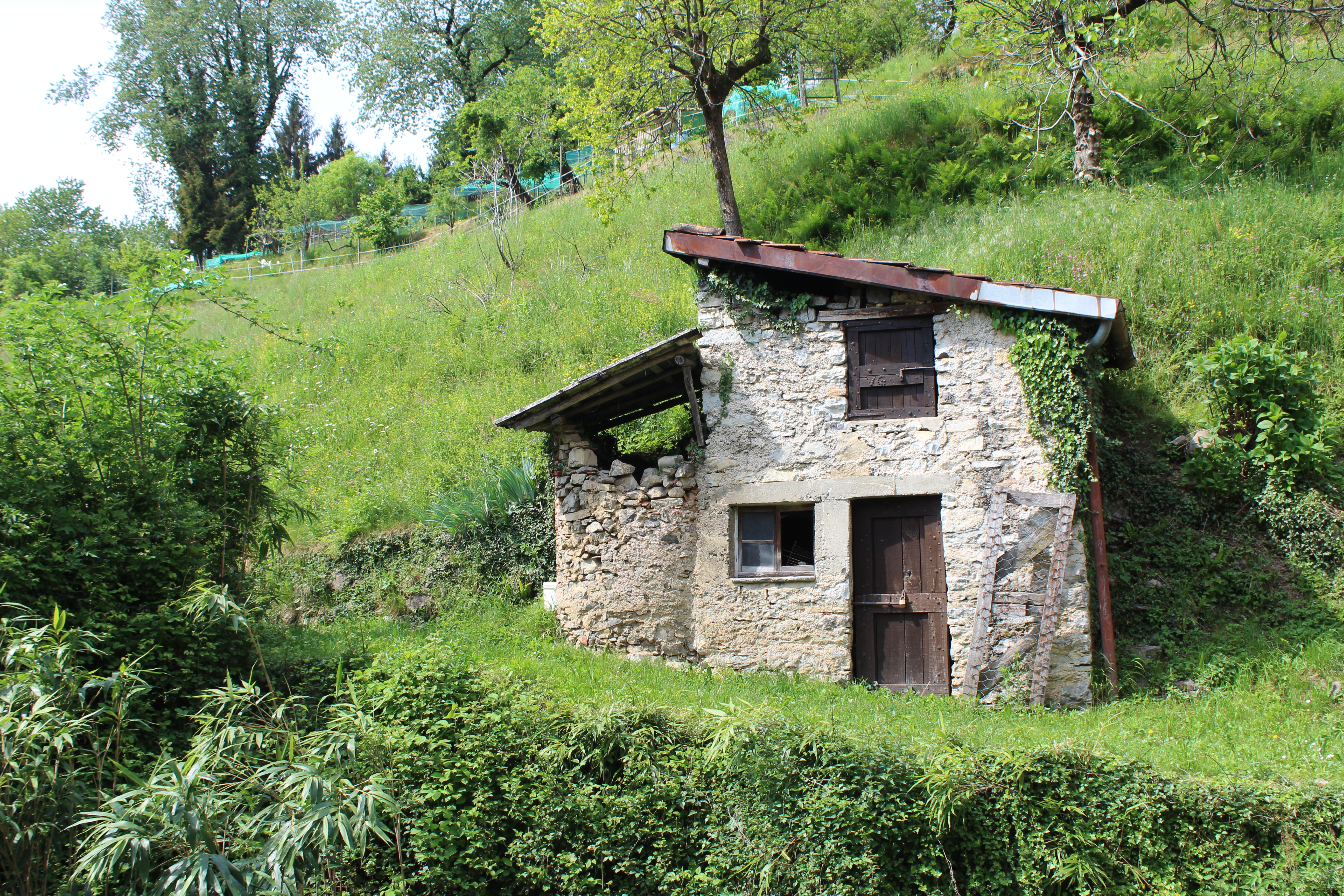
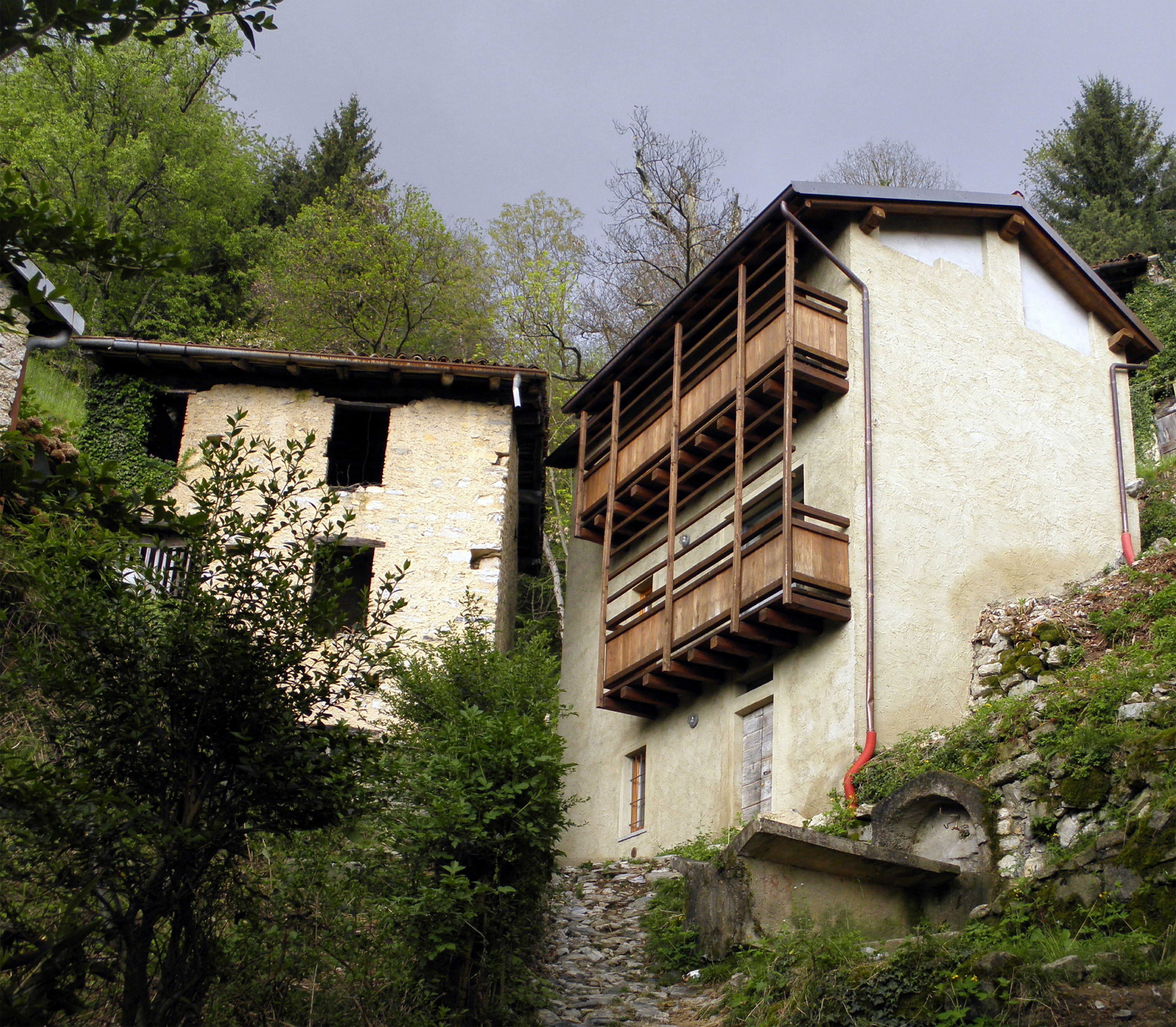
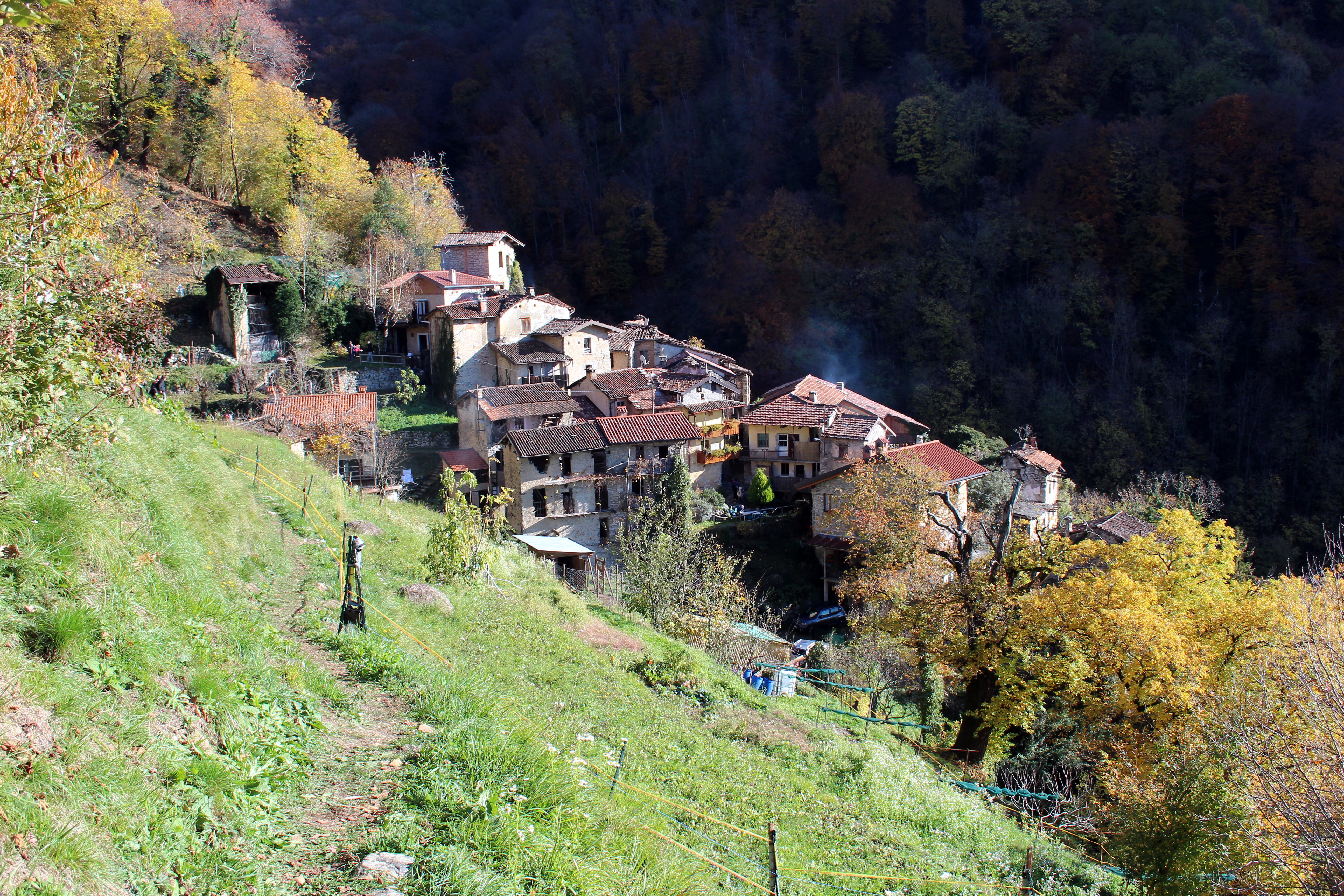
This small cluster of houses stands on a gentle ridge descending from Monte Ocone, in a truly striking panoramic position. From here, the view opens onto the surrounding landscape, with hills, woods, and mountains creating an atmosphere of peace and authenticity. It is a place that has preserved all the charm of a mountain hamlet, ideal for those who love open views and places rich in history.
The hamlet is easily reached by trails that cross the woods and connect the different villages of the area. The walk allows visitors to immerse themselves in a natural environment that remains genuine, among chestnut groves and traces of rural life from the past. A walk here becomes a slow and contemplative experience, suitable for families, hikers, and lovers of local history.
The hamlet of Nesolio is one of the oldest in the area. According to tradition, it was founded by some Franco-Gauls, named Rubier or Rubillier, who arrived from beyond the Alps following the armies and settled in this area. They are said to have given the district its name, Nesoli or Nesoui, clearly of French origin, like the village with the same name still existing in France. The first inhabitants later joined those of Valsecca, giving rise to the nickname "Valsec", from which the well-known Valsecchi family line was born. At the beginning of the twentieth century, Nesolio had around 170 inhabitants living in about twenty houses. Even in the 1950s, 17 families still lived here, but in the following years the village was gradually abandoned. Today, only one resident family remains, the silent guardian of the memory of this place.
Of great interest is the chestnut drying house, an important testimony to mountain life: from the Middle Ages until recent times, chestnuts formed the basis of food for these communities.
The village is part of the Ecomuseum of the Lario Orientale - Valle San Martino Mountain Community, a route that enhances the historical, cultural, and natural heritage of the area, offering visitors an authentic journey through traditions, landscapes, and local identity.
From this point you can continue towards: